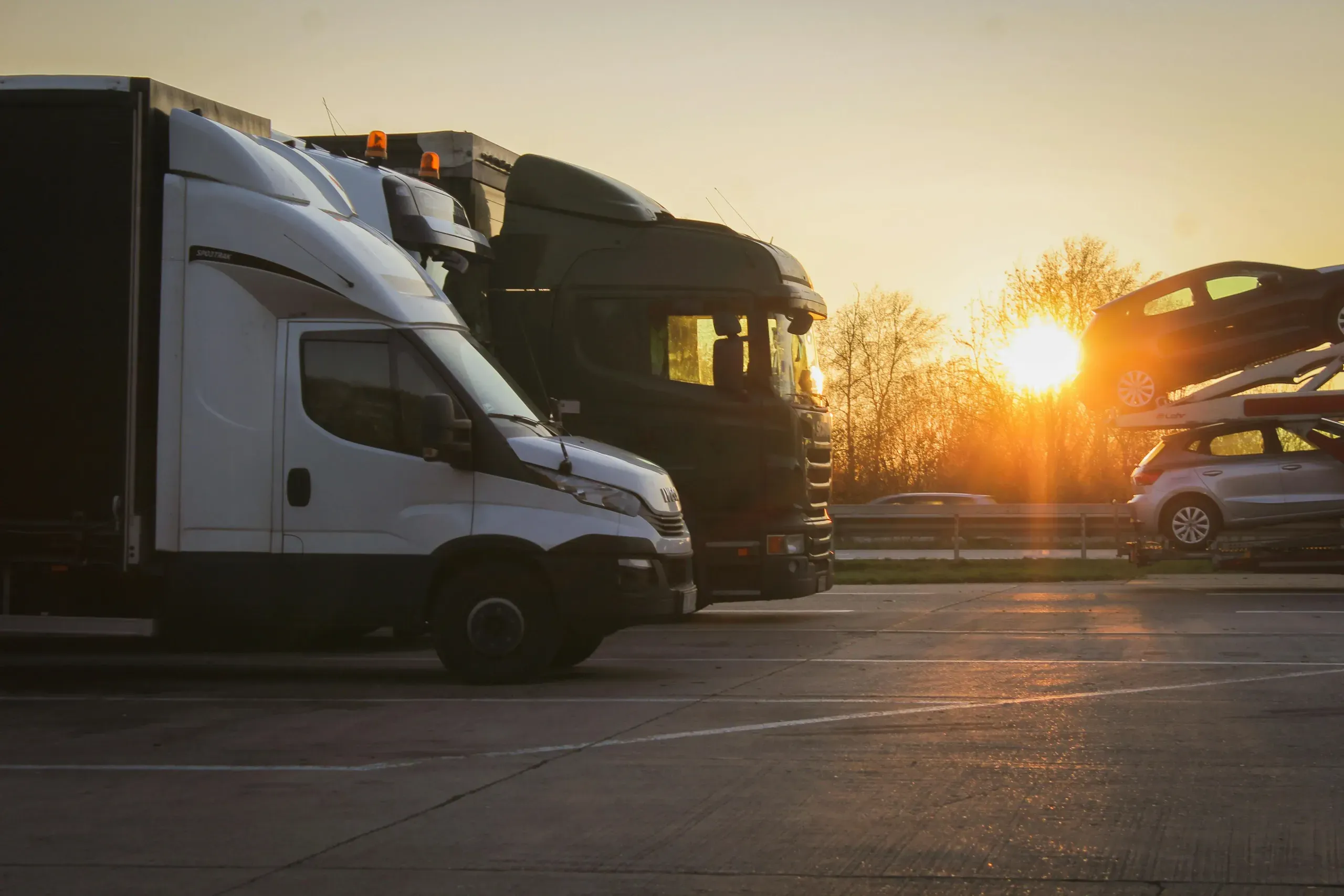
Ship Car from Kentucky to Texas
Shipping a vehicle from Kentucky to Texas covers a distance of approximately 1,111 miles, with most carriers completing the journey in three to five days. Whether you are relocating for work, purchasing a vehicle from a private seller, or coordinating a long-distance move, understanding the logistics of this major interstate corridor is essential for a smooth experience. Below, we break down everything you need to know, including current market pricing, transit time expectations, the step-by-step booking process, carrier verification, vehicle preparation tips, common shipping scenarios, and answers to your most frequent questions.
- No-obligation quote within 2 minutes
- Price all-inclusive
- No charge until driver confirmed
- Distance
- 1,111 mi
- Transit time
- 3–5 days
- Open carrier from
- $1,250
How much does it cost to ship a car from Kentucky to Texas?
For a typical 1,111-mile journey from Kentucky to Texas, you can expect open transport to range between $1,250 and $1,675, while enclosed shipping generally runs from $2,400 to $3,200, with transit times usually spanning three to five days. As a referral service, Ship Car Pros connects you with independent carriers who set these rates based on current market capacity and route demand. There are several factors that determine where your final price lands, including the size of your vehicle, the specific pickup and delivery cities, and how much flexibility you have in your scheduling. We will look closer at these pricing drivers and how to secure the best rate for your specific move later in this guide.
What factors affect car shipping cost?
Several variables influence the final rate for your shipment between Kentucky and Texas. These factors reflect the current capacity on the I-40 and I-30 corridors and the specific logistics of your vehicle.
- Vehicle dimensions and weight: Larger trucks and SUVs occupy more trailer space and increase fuel consumption.
- Transport type: Choosing enclosed transport provides superior protection but costs significantly more than standard open trailers.
- Pickup and delivery flexibility: A wider scheduling window allows carriers to optimize their routes, often reducing your cost.
- Seasonal demand: High-traffic periods, such as summer moving months, typically increase market rates due to higher demand.
- Route accessibility: Deliveries to major Texas metro areas are generally cheaper than remote, rural locations off the main highway.
- Vehicle operability: Inoperable cars require specialized equipment for loading, which adds to the total service fee.
Open vs. enclosed car transport: which should you choose?
Choosing between open and enclosed transport comes down to your vehicle’s value and your specific protection needs. Open transport is the industry standard, used for about 85% of all shipments. It is the same method dealers use to move new inventory from factories to showrooms. At a typical rate of $1,389, it is the most efficient choice for daily drivers, standard SUVs, and commuter vehicles.
Enclosed transport provides a fully sealed environment, shielding your car from road debris, weather, and dust. With a typical cost of $2,656, this premium service is best reserved for high-value luxury cars, classic or vintage models, and custom builds with low ground clearance. If your vehicle is worth more than $75,000 or requires extra care to arrive in pristine, show-ready condition, the added layer of protection is worth the investment. Otherwise, open transport remains the safe, reliable, and cost-effective standard.
- Open carrier
- $1,250–$1,675
- Standard 7–10 car hauler.
- Enclosed carrier
- $2,400–$3,200
- Sealed trailer for high-value vehicles.
How long does it take to ship a car from Kentucky to Texas?
For this 1,111-mile route from Kentucky to Texas, you can generally expect your vehicle to arrive within three to five days. This timeline accounts for the reality of long-haul trucking, where drivers typically cover about 400 to 500 miles each day once you factor in fuel stops, traffic, and mandatory rest periods required by federal safety regulations. Keep in mind that pickup and delivery dates are estimates rather than guaranteed appointments, as weather and route adjustments can influence the schedule. We will explore how these variables work and provide tips on how to prepare your vehicle for the journey in the sections that follow.
Which routes do carriers usually take?
Carriers typically move your vehicle from Kentucky to Texas by utilizing the major interstate arteries that connect the Midwest to the Southwest. From Kentucky, drivers often head south to connect with I-40 W, which serves as the primary cross-country freight route through the mid-section of the U.S. As the haul progresses, carriers transition to I-30 W to reach the major Texas hubs like Dallas and the surrounding metro areas. This path is favored for its consistent traffic flow and reliable access to fuel and service stops, though drivers must carefully navigate urban congestion near Louisville and the complex construction projects now underway in downtown Dallas.
What can delay your shipment?
While most shipments proceed without issue, several external factors can shift your delivery timeline. Winter weather is a primary variable; I-40 through the Texas Panhandle is prone to severe ice and snow that can trigger commercial traffic shutdowns. Similarly, heavy spring rainfall often causes flash flooding along the I-30 corridor, complicating travel. Beyond weather, scheduling is impacted by weekend gaps, as carriers rarely initiate pickups on Saturdays or Sundays. If you are coordinating an auction pickup, delays often stem from missing documentation like gate pins or lot numbers. Finally, because carriers prioritize full trailers to maximize efficiency, your vehicle may wait longer if it is the final piece of a specific route.
Popular Routes
Major city-to-city routes on the Kentucky → Texas corridor.
| From | To | Approx. distance | Transit |
|---|---|---|---|
| Louisville, KY | Houston, TX | ~800 mi | 3-5 days |
| Lexington, KY | Dallas, TX | ~780 mi | 3-5 days |
| Frankfort, KY | San Antonio, TX | ~990 mi | 3-5 days |
| Bellevue, KY | Austin, TX | ~970 mi | 3-5 days |
| Worthington Hills, KY | Fort Worth, TX | ~770 mi | 3-5 days |
| Coldstream, KY | El Paso, TX | ~1,260 mi | 4-6 days |
| Blue Ridge Manor, KY | McAllen, TX | ~1,110 mi | 4-6 days |
| Parkway Village, KY | Denton, TX | ~730 mi | 3-5 days |
| Fincastle, KY | Arlington, TX | ~760 mi | 3-5 days |
| Strathmoor Village, KY | Corpus Christi, TX | ~990 mi | 3-5 days |
How does shipping a car from Kentucky to Texas work?
Shipping a car from Kentucky to Texas follows a straightforward three-stage process: requesting a quote, coordinating the pickup, and completing the final delivery. First, we gather your route and vehicle details to secure an all-inclusive rate. Once you authorize the shipment, we connect you with a vetted carrier from our network to handle the physical transport. Finally, the driver retrieves your vehicle, manages the transit along major interstate corridors, and delivers it directly to your destination. We handle the logistics so you can focus on the other details of your move.
What happens between booking and pickup?
Once you confirm your order and provide your details, the transition from booking to the arrival of the truck follows a clear, predictable sequence:
- We post your shipment to our private network, where vetted carriers review the route and availability.
- A carrier accepts the load and is formally dispatched to your location.
- You receive a notification containing the carrier’s name, the driver’s contact information, and their estimated arrival timeline.
- The driver contacts you directly to confirm a specific pickup window based on their current progress and traffic conditions.
- Upon arrival, the driver performs a 21-point bumper-to-bumper inspection, documenting the vehicle’s current condition on the bill of lading with you before loading it onto the trailer.
This phase is designed to ensure you are never left guessing about who is handling your vehicle or when they will reach your door. Communication remains consistent from the moment we secure your carrier until the driver is ready to load.
What is a bill of lading (BOL)?
The bill of lading (BOL) is both a contract for transport and a formal condition report for your vehicle. At pickup, the driver completes a thorough 21-point inspection, noting any existing scratches, dents, or paint issues, and documents them on this form. You should review these notes carefully before the vehicle is loaded. When the driver arrives at your destination in Texas, you will repeat this inspection. It is critical to check your car in good light before signing the final BOL, as this signature confirms the vehicle’s condition. If you notice any new damage, note it on the document immediately, as this serves as your primary evidence for insurance claims.
After delivery: registration and inspection in Texas
Once your vehicle arrives in Texas, you have 30 days to complete its registration. You must process this in person at your local county tax assessor-collector office. Required documentation includes your current out-of-state title (or registration receipt), proof of Texas liability insurance, and a valid photo ID. While mandatory safety inspections were eliminated in 2025, you must still visit a state-certified station to receive a Vehicle Inspection Report (VIR) for VIN verification. If you reside in one of the 17 designated emissions-testing counties, your vehicle will also need an emissions check. Be prepared for various fees, including a $50.75 base registration cost and a $90 new resident tax. For the most current forms and checklists, visit Texas DMV.
Back in Kentucky, remember that your plate-to-customer registration model requires you to keep your license plate. You must surrender it to your local County Clerk after your car is successfully registered in Texas to avoid ongoing property tax assessments and insurance penalties.
How do you verify a car transport company is legitimate?
Verifying the legitimacy of a transporter is the most effective way to protect your vehicle and your peace of mind. Every commercial carrier operating across state lines is legally required to hold an active Motor Carrier (MC) number and a Department of Transportation (DOT) number. You can verify these credentials instantly by searching the company’s name or number in the Federal Motor Carrier Safety Administration (FMCSA) database. This portal provides a clear view of their licensing status, insurance coverage, and safety history.
Beyond federal registration, look for a transparent business model. A legitimate service will always provide a written agreement detailing the terms of transport before any money changes hands. Be wary of any provider that requests a deposit or full payment before a carrier has been officially assigned to your route; this is a common red flag. You should never be charged until you have the driver’s information in hand.
Finally, look for independent verification. Check third-party platforms like Transport Reviews or the Better Business Bureau. These sources offer unfiltered feedback from real customers who have navigated the same interstate routes. If a company lacks an online footprint or refuses to provide their registration details, it is best to move on. Stick to providers who operate with full transparency and maintain active, verifiable credentials.
How do I prepare my car for shipping?
Preparing your vehicle for transport helps ensure a smooth inspection process and prevents potential damage during transit. By taking these simple steps, you provide the carrier with the information they need to load and secure your car safely.
- Wash the exterior to ensure all existing scratches and dents are clearly visible for the initial inspection.
- Photograph the vehicle from every angle, including the roof and undercarriage, ensuring your camera settings include a digital timestamp.
- Remove personal belongings and loose items, keeping total weight under 100 pounds to comply with insurance policies and federal regulations.
- Deactivate security systems and alarms, and ensure the driver has a complete set of keys or key fobs.
- Limit fuel to a quarter tank to reduce overall vehicle weight while ensuring the driver has enough to load and unload.
- Disclose mechanical quirks or fluid leaks to the driver so they can position the vehicle appropriately on the trailer.
Following these steps keeps your documentation accurate and helps the driver focus on the safe delivery of your car.
Specialty shipments from Kentucky to Texas
Beyond standard vehicle transport, we manage a variety of specialized shipping scenarios for moves between Kentucky and Texas. Whether you are dealing with unique logistics, specific auction requirements, or complex multi-vehicle coordination, our network is equipped to handle the job. We frequently assist customers with auction-purchased vehicles, non-running units that require specialized loading equipment, and bulk shipments for families or businesses needing to move multiple cars simultaneously. Each situation involves specific documentation and handling steps to ensure safe delivery.
How do you ship a car bought at Copart or IAA auction?
Shipping an auction-purchased vehicle from facilities like Copart or IAA requires more coordination than a standard residential pickup. Because these sites operate under strict security protocols, the carrier cannot simply arrive and load your vehicle. To facilitate the process, you must provide us with the specific lot number, the gate pin for the facility, and your unique buyer number. You should also ensure that the auction house has received full payment and released the vehicle for pickup.
Because we must coordinate these details with the facility's schedule and verify that the required paperwork is on file, auction pickups often take 1–3 days longer to arrange than typical door-to-door moves. Providing these three critical pieces of information upfront is the best way to prevent delays and ensure your carrier can secure the vehicle without unnecessary back-and-forth communication.
How do you ship an inoperable car?
If your vehicle doesn't start, it is classified as inoperable. You can still ship it, but you must ensure the car remains a "rolling unit"-it must be able to steer and brake, and its wheels must turn freely. Because the driver cannot drive the car onto the trailer, they must use a winch or specialized ramps to load it. This process requires extra equipment, time, and physical labor compared to a standard, running vehicle. Consequently, shipping an inoperable car adds a surcharge to the standard transport rate. When you request your quote, be sure to disclose the specific condition of the vehicle so we can assign a carrier equipped for the job.
How do you ship multiple cars at once?
Shipping multiple vehicles simultaneously is a common request for families relocating, individuals managing estate transfers, or those coordinating a business fleet. Bundling your vehicles into a single order often lowers the per-vehicle cost compared to shipping each one independently. Because you are occupying more space on a single trailer, carriers can optimize their route and loading time, which creates efficiency for both parties.
While most multi-vehicle loads fit on a single trailer, exceptionally large moves might require splitting the shipment across two carriers. We coordinate these logistics to ensure all vehicles follow similar timelines. When requesting your quote, list every vehicle’s details so we can apply the appropriate bundling discounts.
Is it cheaper to ship a car or drive it from Kentucky to Texas?
When deciding between shipping your car or driving it yourself from Kentucky to Texas, it helps to compare the out-of-pocket costs and the personal investment required.
Shipping your vehicle via open transport typically costs around $1,389. This is an all-inclusive figure that covers the carrier’s services, insurance, and the physical transportation of your vehicle across the 1,111-mile route.
Driving the vehicle yourself involves a different set of expenses. Factoring in current per-mile operating costs-which include fuel, wear and tear, and maintenance-the estimated cost to drive is approximately $898. This total includes roughly $778 in per-mile expenses based on national averages, plus an estimated $120 for one overnight stay, as the 16-hour and 32-minute journey is rarely completed safely in a single stretch.
Beyond the direct costs, consider the qualitative factors. Driving yourself requires over 16 hours of focused time behind the wheel, which often means taking days off work and managing the fatigue of a long-distance trek. You also face the logistics of travel, such as food, lodging, and potential vehicle maintenance needs during the trip. Shipping, by contrast, preserves your time and keeps the mileage off your odometer, allowing you to fly or take other transit to your destination. The choice depends on whether you value the utility of the drive or the convenience of professional transport.
| Ship it | Drive it | |
|---|---|---|
| Total cost | $1,250–$1,675 all-in | ~$1,018 (fuel + lodging + meals) |
| Your time | 0 hours | ~19 hrs driving + overnight |
| Wear & tear | None | 1,111 mi added; ~$0.10/mi depreciation |
| Risk | Insured in transit | Personal liability + fatigue |
For most Kentucky → Texas shipments, ship is the better value once time and depreciation are counted.
Frequently asked questions
How much does it cost to ship a car from Kentucky to Texas?
For a typical 1,111-mile journey from Kentucky to Texas, open transport usually ranges from $1,250 to $1,675, with an average around $1,389. Enclosed shipping is a premium service that typically costs between $2,400 and $3,200. Your final rate depends on several stacking factors, including your vehicle's size, its operability, the specific pickup and delivery locations, and the level of flexibility you provide regarding your preferred pickup dates.
Does the price I'm quoted for shipping from Kentucky to Texas cover everything?
Yes, a legitimate quote for auto transport is all-inclusive and covers every aspect of the service. This total includes the driver's fees, fuel, tolls, taxes, and full insurance coverage during transit. You should never be asked to pay additional hidden fees or surprise surcharges once the transport is underway. The price you are quoted is the total amount you will pay for the door-to-door delivery of your vehicle.
How long does it take to transport a vehicle from Kentucky to Texas?
The estimated transit time for this 1,111-mile route is typically three to five days. Because federal Department of Transportation regulations limit solo drivers to roughly 400 miles per day, the journey requires several days of travel. While most shipments follow this timeline, factors such as severe weather, traffic congestion, or remote delivery locations can occasionally influence the schedule. Pickup dates are estimates, so it is best to plan for a flexible window.
Is enclosed transport safer for my vehicle than standard open shipping?
Enclosed transport provides a higher level of protection by shielding your vehicle from road debris, dust, and weather elements inside a fully sealed trailer. It is generally recommended for vehicles valued over $75,000, classic cars, or high-end luxury models. However, standard open transport is also very safe, fully insured, and is the industry-standard method used to deliver new cars from factories to dealerships, making it the most efficient choice for daily drivers.
When do I pay for the shipping of my vehicle?
The payment process is split into two parts: a deposit and a final balance. Once a carrier is officially assigned to your route, a deposit is charged to your credit card. The remaining balance is paid directly to the driver at the time of delivery. Drivers typically accept payment in the form of cash, certified checks, money orders, or certain digital payment services, so be sure to confirm their preferred method before the delivery date.
Does the carrier's insurance cover my car during the entire trip from Kentucky to Texas?
Every carrier is required by law to carry cargo insurance that covers your vehicle from the moment it is loaded at your origin until it is delivered. Policies typically provide coverage ranging from $50,000 to $250,000 per vehicle on open trailers, while enclosed carriers often carry higher limits. This bumper-to-bumper coverage protects your car against transit-related damage, and the condition report completed at pickup and delivery serves as the documentation for any potential claims.
Do I need to be present when the driver picks up or delivers my vehicle in Texas?
You do not need to be physically present at the pickup or delivery location to release or receive your vehicle. You can authorize a family member, friend, neighbor, or dealership employee to act on your behalf. As long as the authorized contact has the keys and is prepared to review the bill of lading inspection report with the driver, the process will proceed exactly as if you were there yourself.
What happens if I book with multiple brokers at the same time?
Booking with multiple brokers at once can be counterproductive, as it often triggers a bidding war that drives up your price. When the same shipment is posted to the national loading board by different companies, carriers see the duplicate listings and may bid the rate higher, believing there is more demand than actually exists. This often leads to your shipment sitting unclaimed for longer, as carriers avoid loads that appear to be experiencing logistical friction.